• Personal views

    Digital Media Consumption in Central and Eastern Europe: From Mainstream Platforms to Niche Adult Content

    Over the last decade, Central, Eastern and Balkan Europe have experienced a profound transformation in the way audiovisual content is produced, distributed and consumed. Broadband penetration, the spread of affordable smartphones and the consolidation of global streaming platforms have reshaped habits that were once dominated by national broadcasters and physical media.

    While most public debates focus on mainstream cinema and television, it is important to recognise that similar dynamics are also visible in more marginal segments of the market, including adult entertainment. Studying these trends offers useful insights into questions of regulation, cultural circulation and the political economy of the digital public sphere in the region.

    From national broadcasters to algorithmic platforms

    In many Central and Eastern European countries, the 1990s and early 2000s were marked by the rapid liberalisation of the media landscape. Commercial television channels appeared alongside public broadcasters, and private distributors brought international films to local cinemas. Nevertheless, access to foreign content remained mediated by national gatekeepers.

    Today, this role is increasingly played by global streaming platforms and large social media companies. Their algorithms prioritise content in a few dominant languages, especially English, but also facilitate the circulation of material produced in smaller European markets. Users in cities such as Warsaw, Budapest, Bucharest or Zagreb can easily watch Scandinavian crime series, Spanish dramas or French independent cinema, often on the same interface.

    This broader availability also includes content aimed at adults. Whereas in the past such material was largely distributed in physical form or through late-night television, it is now accessed via specialised online platforms. This shift raises fresh questions for regulators, educators and researchers concerned with media literacy and the protection of minors.

    Regulation, censorship and cultural diversity

    Regulation of online adult content in Central and Eastern Europe is fragmented. Some countries have adopted stricter age-verification rules or content restrictions, while others rely mainly on self-regulation by platforms and general provisions of criminal law. In practice, however, enforcement remains challenging due to the borderless nature of the internet and the fact that many providers are based abroad.

    At the same time, the market is becoming more internationalised. Users from the region do not only visit local websites; they increasingly consume content produced in Western Europe and North America. French-language material has long enjoyed a particular reputation in European film history – both in mainstream cinema and in more explicit genres – and continues to attract viewers from across the continent.

    In search engines, this interest often appears through generic queries such as “Film Porno”, which do not refer to a specific brand but to a type of European production associated with a more cinematic approach. As a result, traffic from Central and Eastern Europe is frequently directed towards specialised portals like Film Porno, a site focused on French content that has become a reference point for users looking for alternatives to the dominant Anglo-American offer.

    Economic implications for the region

    The growth of online media, including adult entertainment, has important economic implications. On the one hand, it creates new opportunities for small production companies, independent performers and IT specialists in Central and Eastern Europe. Lower production costs and relatively high levels of digital literacy make the region attractive for outsourcing and collaboration.

    On the other hand, a large share of the value generated by traffic from the region flows to companies headquartered in Western Europe or beyond the EU. Advertising networks, payment processors and large content aggregators capture much of the revenue, while local actors remain in a weaker bargaining position. This asymmetry mirrors broader patterns in the digital economy, where peripheral regions often function as markets and labour pools rather than centres of decision-making.

    Media literacy and public debate

    Discussions about media literacy in Central and Eastern Europe typically concentrate on disinformation, political propaganda or hate speech. Yet the ways in which citizens encounter and negotiate adult content online also deserve attention. Young people in particular often learn about sexuality through digital media before receiving any formal education on the subject.

    Recognising the existence of niche platforms and cross-border consumption – including visits to sites reached through generic searches such as Film Porno – does not imply endorsing or promoting any specific type of content. Rather, it highlights the need for realistic, evidence-based policies that acknowledge how people actually use the internet. This includes involving parents, teachers, NGOs and health professionals in open conversations about privacy, consent and the potential risks of exposure to explicit material.

    The digital transformation of audiovisual consumption in Central, Eastern and Balkan Europe cannot be fully understood if we look only at mainstream platforms and national broadcasters. Niche and adult-oriented services form an integral part of the online ecosystem, connecting users from the region with producers and distributors based elsewhere in Europe.

    French-language portals accessed through generic queries like Film Porno occupy a specific niche within this broader landscape, illustrating the continued importance of cultural preferences and linguistic diversity in shaping digital flows. For researchers and policymakers, taking these dynamics seriously can shed new light on questions of regulation, economic dependency and cultural exchange in the European periphery.
  • Personal views

    RUSSIA RAISES ITS ATTACK AGAINST UKRAINE: “ALREALMLY NO LIFE LEFT”

    RUSSIA RAISES ITS ATTACK AGAINST UKRAINE: "ALREALMLY NO LIFE LEFT"
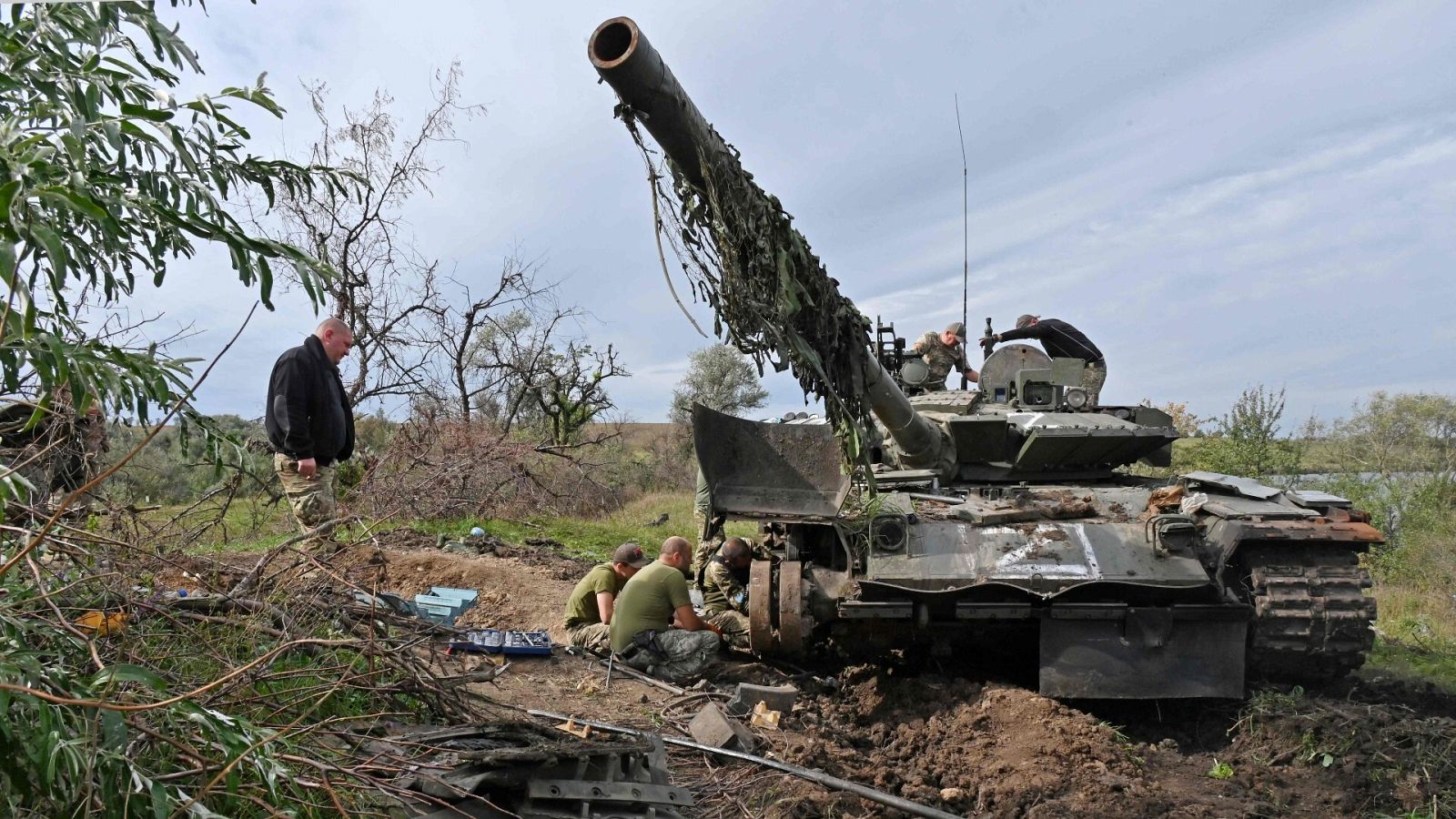
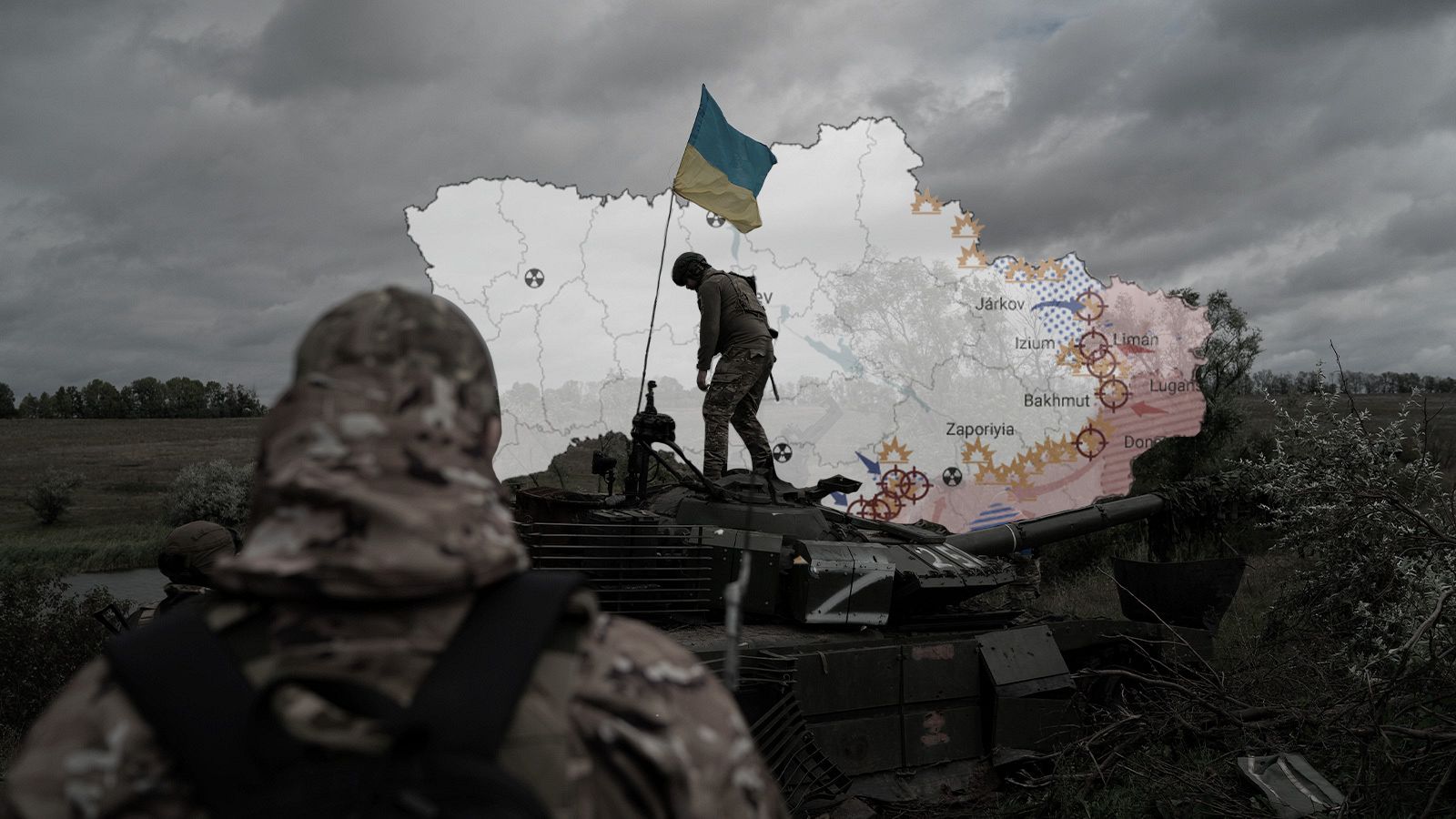
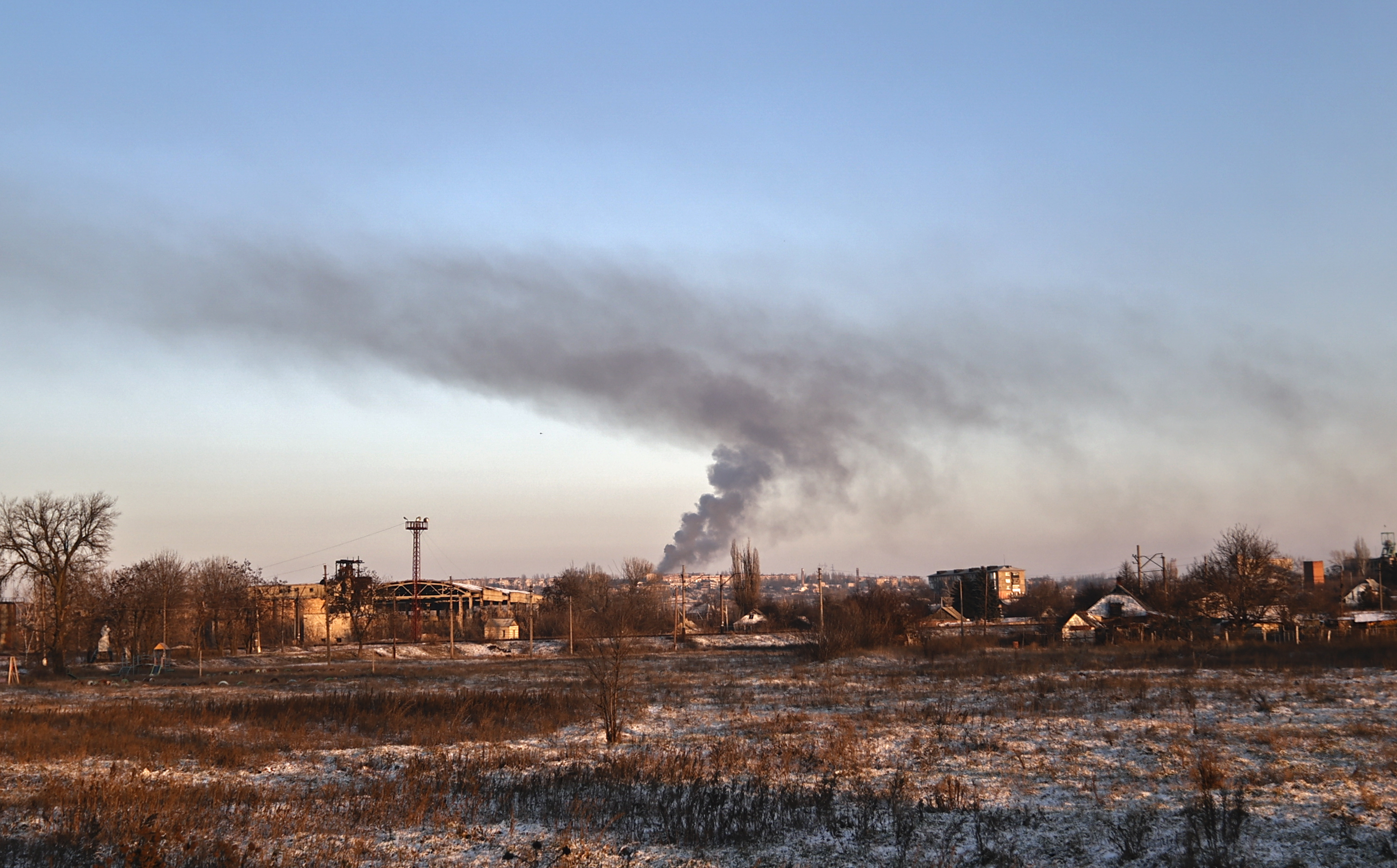
    Russia’s attack on Ukrainian forces in the town of Bakhmut has intensified, causing a high level of death and destruction. The President of Ukraine, Volodymir Zelenskyy, has reported that there is practically no life left in the city and that the area near Soledad is littered with corpses.

    The Russian government is desperately seeking a victory in its conflict with Ukraine that has been fought for a year and a half, especially after it illegally annexed the Donetsk region and three other provinces without making significant progress tukif.

    For its part, the situation has become more tense in Bakhmut after Ukrainian forces recaptured the southern city of Kherson in November. Ukrainian Deputy Defense Minister Hanna Malyar reported that Russia had increased the dispatch of assault groups in the area.

    READ MORE: “RUSSIA-UKRAINE: THE NUCLEAR DANGER IS GROWING

    Likewise, Pavlo Kyrylenko, the kyiv-appointed governor of the Donetsk region, indicated that the attacks on Soledar and Bakhmut are constant. Likewise, he assured for Russian state television that these came at a high price.


    BAKHMUT TODAY

    Despite unreliable Russian propaganda, the British Ministry of Defense has claimed that Russian troops and soldiers from the Wagner Group, a private Russian military contractor, have advanced in recent days on Soledar and are likely to control most of the area. zone.

    According to the report, Ukrainian forces continue to maintain strong defense lines in the deep zone and control of supply routes. The fighting takes place at the entrances to abandoned salt mine tunnels, which stretch for some 200 kilometres.

    According to the governor of the southern region of Mykolaiv, Vitaliy Kim, the Russian forces attacked the port of Ochakiv and its surroundings. As a result of these attacks, according to the Ukrainian presidential office, at least four civilians were killed, while another 30 were injured.


    THE OBJECTIVE OF RUSSIA IN DONBAS

    The reports also say that Soledar, which lies 10 kilometers north of Bakhmut, is likely Moscow’s immediate military target and part of a strategy to encircle the city, which has been under constant siege for two months.
    Moscow’s insistence is no coincidence, as the country led by Vladimir Putin has focused on seizing control of the entire Donbas region. In addition to Bakhmut, which has been abandoned by more than 70% of its inhabitants, other cities in the eastern provinces of Donetsk and Luhansk have also come under assault.

    The Donbas region is a vast industrial zone that is located near the border with Russia. Putin has identified this region as a priority since the start of the conflict. Since 2014, Moscow-backed separatists have been fighting in the area against Ukrainian government forces.

    THE OBJECTIVE OF RUSSIA IN DONBAS

    Sergei Shoigu, who assumes the post of Defense Minister in Russia, has been heavily criticized for his management of the turn that the conflict has taken in the last months of the year. However, despite this, President Putin maintains his trust in him.

    READ MORE: ‘AFGHANS DEVASTATED OVER THE EFFECTS OF WAR’

    According to Shoigu, in order to return the advantage to the Russian side, some adjustments will be made to the front strategy, involving artificial intelligence systems and better tactical equipment for combat personnel.

    The measure also responds to a need to make his message clear to international viewers: it is no longer just about fighting Ukraine. But also against the allies of this nation in NATO. After all, it is no secret to anyone that NATO has firmly intervened in the conflict with technology, key information and weapons on Ukraine’s behalf.

    As for Bakhmut, more than 90% of its 70,000 inhabitants have fled for more than two months as Moscow has focused on seizing control of the entire Donbas region.


  • Personal views

    RUSSIA-UKRAINE: THE NUCLEAR DANGER IS GROWING

    RUSSIA-UKRAINE: THE NUCLEAR DANGER IS GROWING

    New updates on the war between Russia and Ukraine shake the world. On 21 September 2022, a Russian missile hit 300 metres from the Pivdennoukrainsk plant, known as the South Ukrainian Nuclear Power Plant.

    Although the incident was limited to the destruction of the area, with no major damage to the nuclear power plant, it could have turned into a catastrophe of colossal consequences, labelled by many national and international media as “nuclear terrorism”.

    READ MORE: ‘AFGHANS DEVASTATED OVER THE EFFECTS OF WAR’

    In the aftermath of the attack, and in the midst of the ongoing conflict between the two countries, Ukraine raised its voice in the international community to denounce the incident, claiming that Russia was just a few metres away from detonating the second largest nuclear facility in the country.

    Russia’s move is part of a series of desperate measures in the face of the Ukrainian advance into Lugansk province along the Oskil River, an area the Kremlin declared as seized last July.


    THE AFTERMATH OF THE ATTACK

    In its most immediate aftermath, the Russian missile strike caused a brief power outage in the area and part of the Oleksandrivska hydroelectric power station, which supplies power to much of the south of the country. However, there was no major irregular activity at the NPP and it is currently operating normally.

    In response, several Ukrainian authorities have raised their voices. Among them, Energy Minister German Galushchenko, who stated that an attack on this facility could have economic consequences throughout the continent, raising electricity prices in the country substantially. His intervention ended with an international call to stop the Russian government’s unconscionable actions.

    THE AFTERMATH OF THE ATTACK

    Just hours after the attack, a meeting in Kiev of senior military commanders assessed plans of action for the disengagement of occupied territories.

    READ MORE: ‘WHY WE MUST END WAR’

    Let’s not forget, after all, that Ukraine was in its favour after a long time, having regained much of the north-east of the country thanks to the Ukrainian counteroffensive in the Kharkov region porno français.


    EXPERT PREDICTIONS OF THE CONFLICT

    Although even with the Russian attack Ukraine sees a favourable scenario in the conflict, one cannot ignore the fact that the recovery of territory has been slow and has lost momentum in recent months.

    Against this backdrop, the winter is expected to be decisive for the conflict. On the one hand, Ukraine is concerned about the humanitarian aspect. After all, without heat and gas in many frontline areas, especially in Donetsk province, many lives will be at risk. It is estimated that at least 2 million people could cross the border into Poland.

    EXPERT PREDICTIONS OF THE CONFLICT

    Meanwhile, Russia is aware of Ukraine’s weaknesses in this context, and will surely take advantage. They will most likely make their way into power supply areas, in order to exacerbate the humanitarian situation outlined above. Moreover, its privileged position in the face of Europe’s general energy crisis makes its interest in prolonging the situation obvious.

    NOTICE


  • War
    Personal views

    Why we must end war

    1. War is immoral

    However murder seems legalised when committed on a large scale, it is still immoral. Murder is committed on a large scale during times of war. For many centuries, war has been the cause of a dramatic rise in the number of annual deaths, shifting exponentially to civilians, instead of combatants. There are even more injury counts and violence is more cause of death than diseases. When reports on war are heard, every point justifying wars sounds absurd.
    War is a broad concept. For instance, even in the absence of physical combat, a person may lose the quiet in their homes to the constant sound produced by the buzz of drones. Homes are also constantly destroyed by the use of missiles.

    2. War causes animosity and danger

    The idea of planning for war itself leads to war, and war endangers us. There are tendencies of wanting to use weapons once they are within our reach. Every step taken by others become suspicious. A nation’s accumulation of weapons also signals a threat to the other and the other start making plans for weapons.
    In arming, several factors must also be put in place such as the crude testing of the weapons on human beings, accidents caused in the process of manufacturing, trade with friends who later become enemies, and so on.

    3. War endangers the environment

    One of the main reasons for war is the desire to be in control of resources that affect the environment, such as oil and gas. Oil may be used in machines, causing pollution and affecting our environment, although it can also be burned off or leaked. For some, the use of oil is associated with the glory of war and sex video. However, whether or not war is fought for the control of oil, wars consume a lot of oil, affecting the state of our economy.
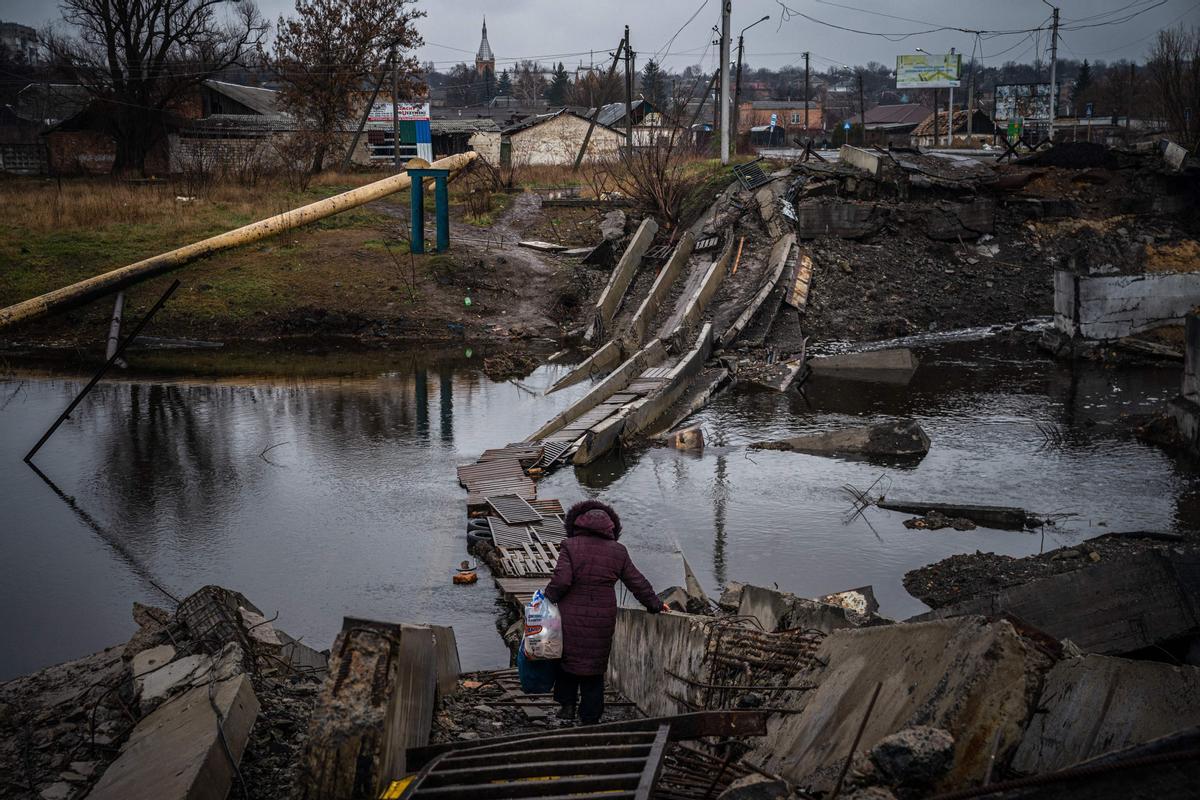
    Wars also have damaged a large expanse of our environment and rendered millions of people, homeless. Many of the harmful weapons left behind in times of war are causes of land mines.

    4. War eats into our liberties

    Often, the average person is told that the reason for war is to enhance freedom, but in truth, war takes our liberties. The victims of war are usually the poor and helpless, who become prey. The nations engaged in war sometimes threaten some of their citizens into supporting the war. As a result of the war, there are illegal surveillance, torture, drones, unlawful imprisonments, and so on.

  • Personal views

    War is a big business

    War is big business. It is the economic base of this planet. We spend hundreds of billions of dollars to create new weapons to defend ourselves against the old weapons we sell to others who are our friends today but may become our enemies tomorrow. It is amazing how often both sides of a conflict have the same weapons made by the same people. We don’t just traffic in weapons. We traffic in misery and human suffering.

    In the name of peace, we have created weapons so deadly we dare not use them. Yet, it is inevitable that we will use them; it is only a matter of time.

    In parts of the world the destruction and pain and suffering of war are common place. You go about your daily routine hoping you don’t get shot or blown up in an insane struggle for your daily survival. This is what our guns, bombs, and bullets have gotten us. Study well the picture below. It is the face of war.

    Take a good look at what all our guns, tanks, planes, missiles, bombs, and bullets have bought us. It is time to find a better way. I call upon the good people of the world to unite. Join with me and together let us find a way to stop the madness before it is too late.

    The dark blue areas are countries that have signed and ratified the (anti-personal) Mine Ban Treaty.

    The slightly lighter blue area are countries that have only signed the treaty.

    The grey areas are countries that have not signed the treaty banning the use of land mines.

    The red dots are the countries that still make land mines.

    Please note that most of the countries that have not signed the Mine Ban Treaty are the countries that still make mines.

    Even after a war is over land mines and other unexploded ordnance continue to kill and maim innocent people many of which are children. It is another face of war.